Loading
A hill city that rewards walking badly and eating often.
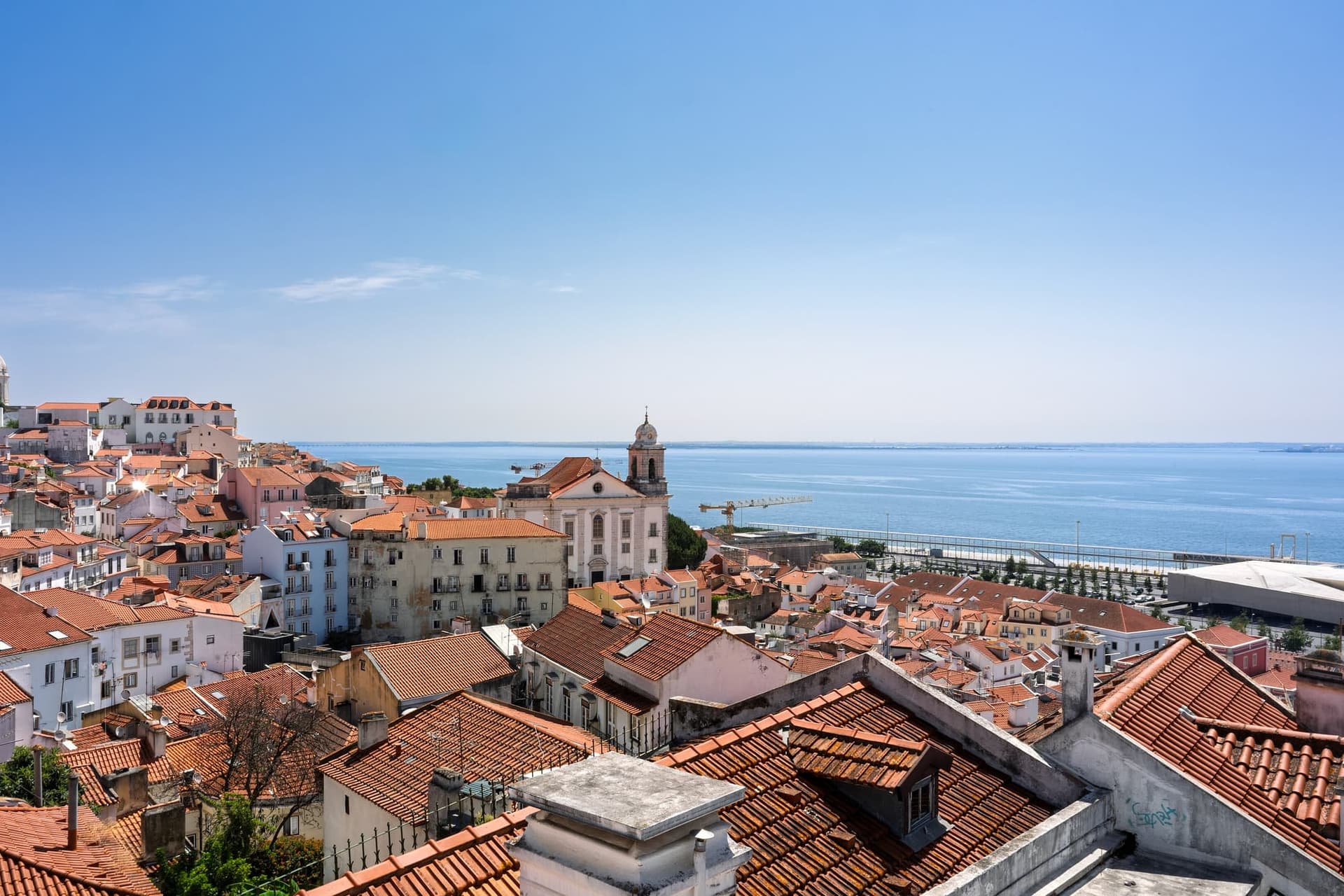
Alfama, looking down to the Tagus. Dale Cruse - 10M views from San Francisco, CA, USA · CC BY 4.0
Lisbon is built on the kind of hills that make you rethink your shoes. That is the whole point. The city is best understood at the pace of a slow climb: a tiled wall here, a doorway cat there, then a sudden gap between buildings where the Tagus appears, enormous and silver, and you stop pretending you were in a hurry.
It is also a city that has been discovered, repeatedly and loudly, and that has made some of the obvious things worse and some of the ordinary things better. The useful move is to treat the famous viewpoints as a schedule problem rather than a crowd problem, and to spend the rest of your time one street back from wherever the queue is.
Researched from published sources rather than a personal visit. Check before you go.
Published · practical details checked
Tables · Food hall
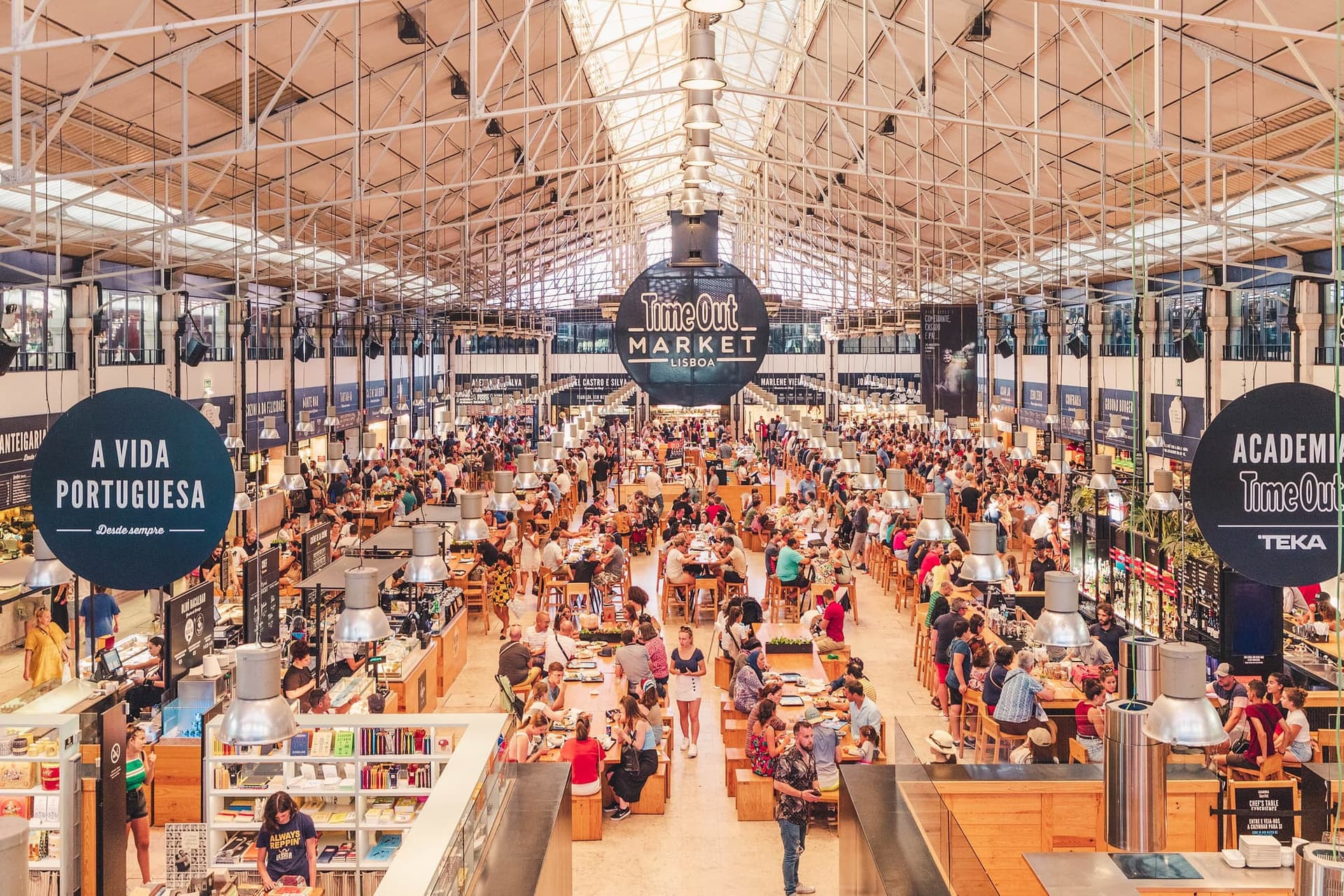
The city's nineteenth-century market hall, half of it now a curated food court.

Tables · Pastelaria
The original custard tart, made to a recipe the shop has kept since 1837.
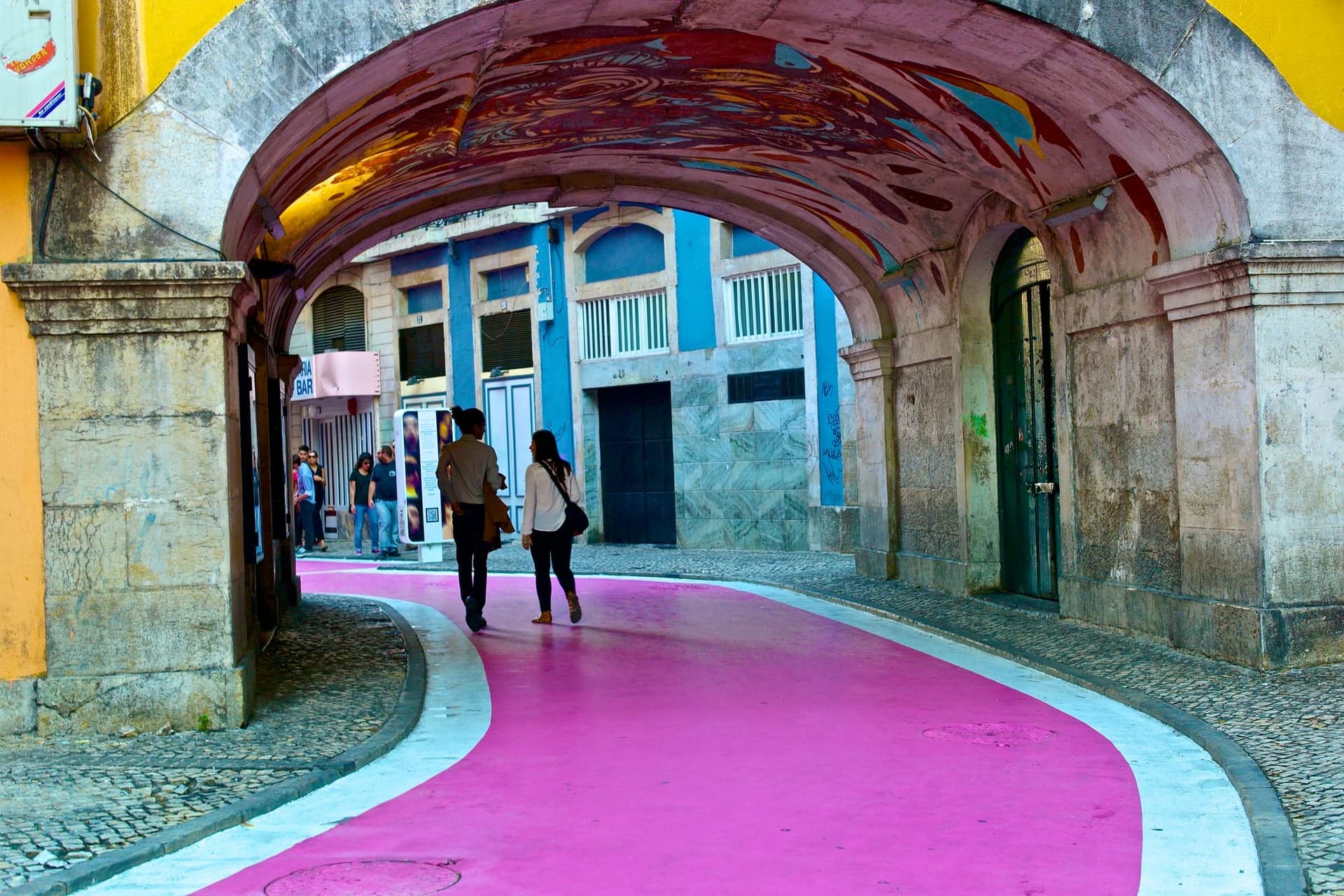
Drinks · Bar street
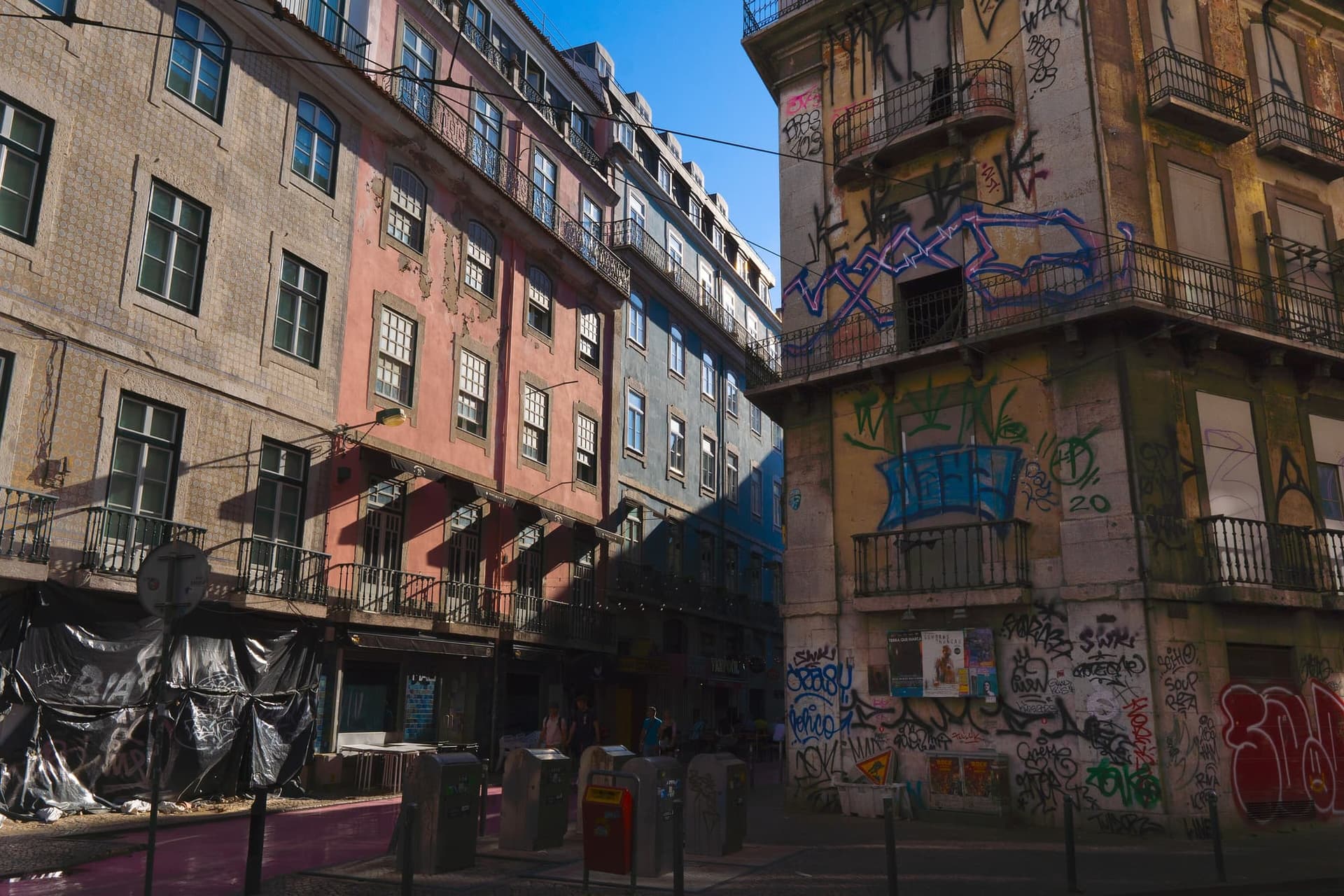
The pink-painted street that used to be the port's roughest block and is now its loudest.
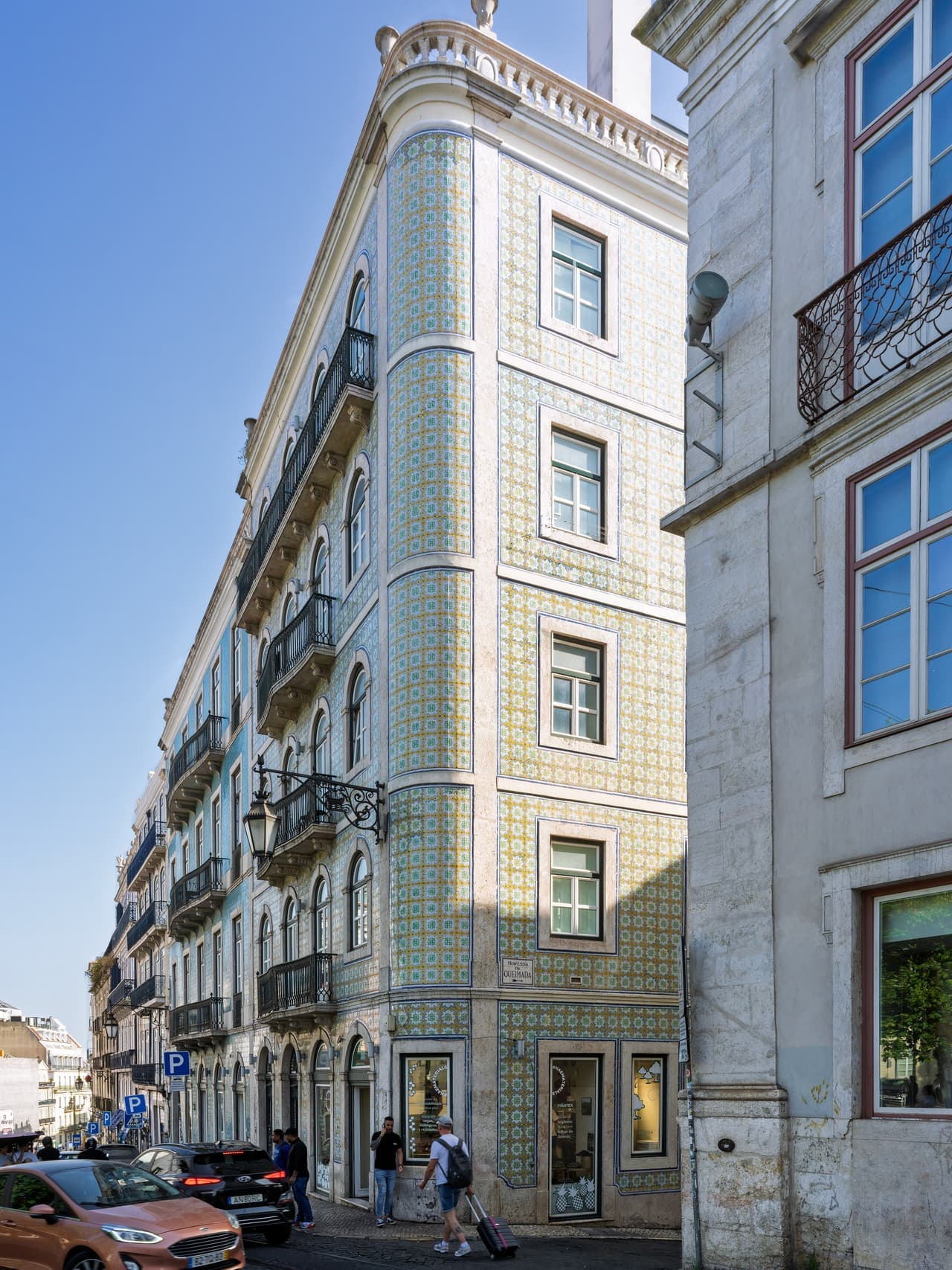
Stays · Guesthouse
Sample entry: six rooms behind an azulejo facade, three floors, no lift.
Stays · Townhouse rooms
Sample entry: a flatter, greener base, ten minutes downhill from the centre.
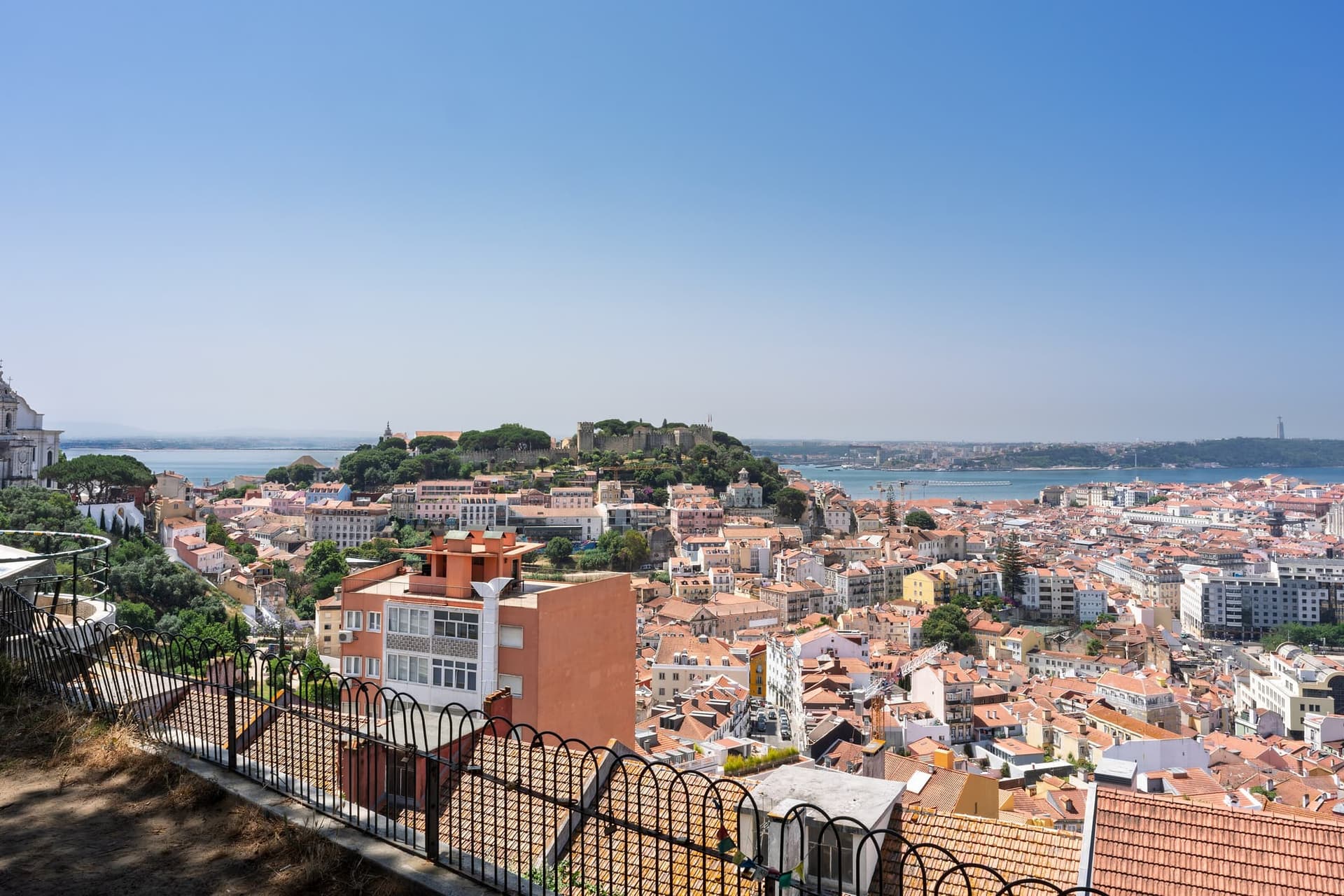
Trips · Viewpoint
The highest of the city viewpoints, and the one worth setting an alarm for.
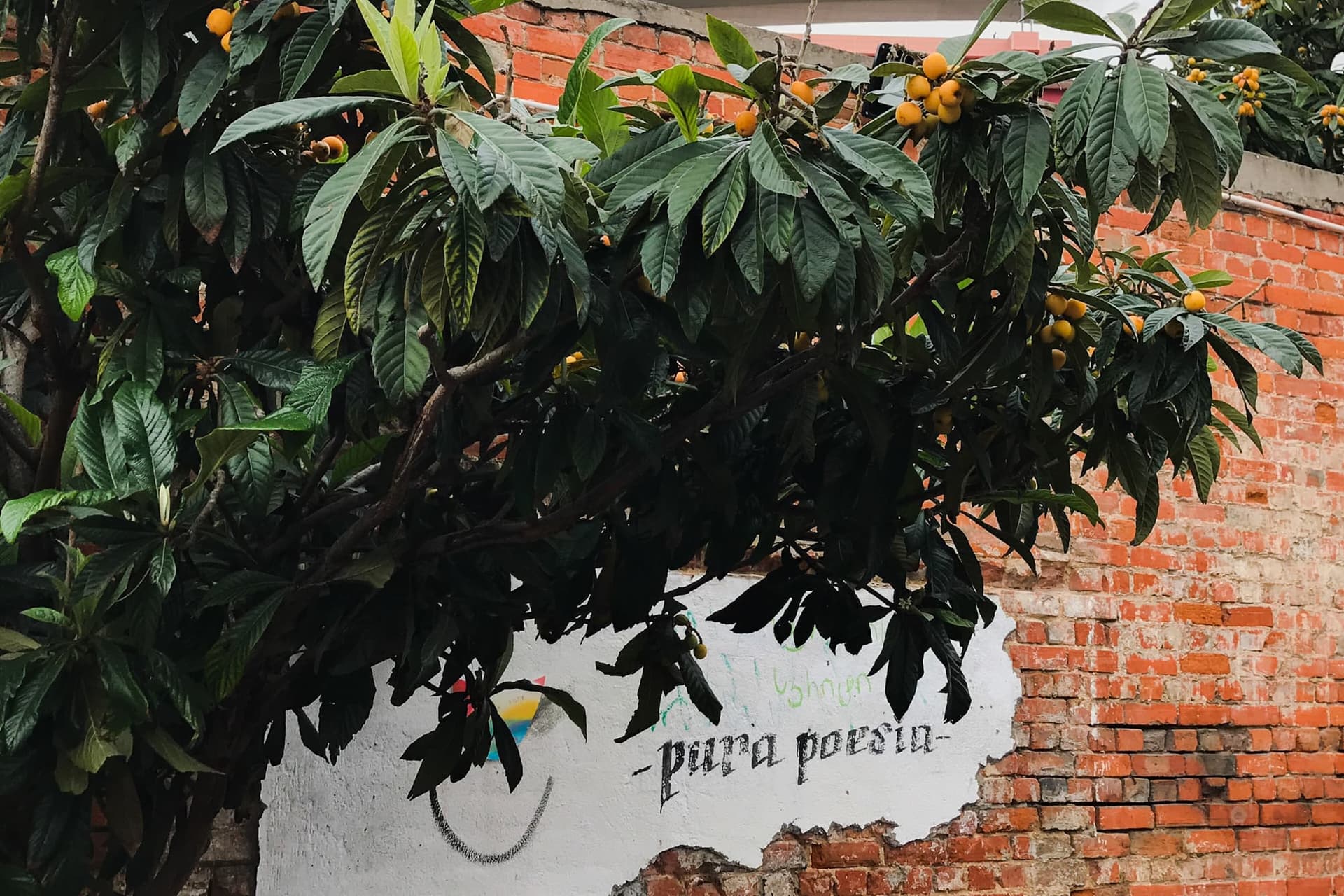
Trips · Converted industrial yard
A nineteenth-century industrial complex under the bridge, now studios, shops and food.
Trips · River crossing
A ten-minute commuter crossing that happens to be the best view in the city.
Trips · Tram route
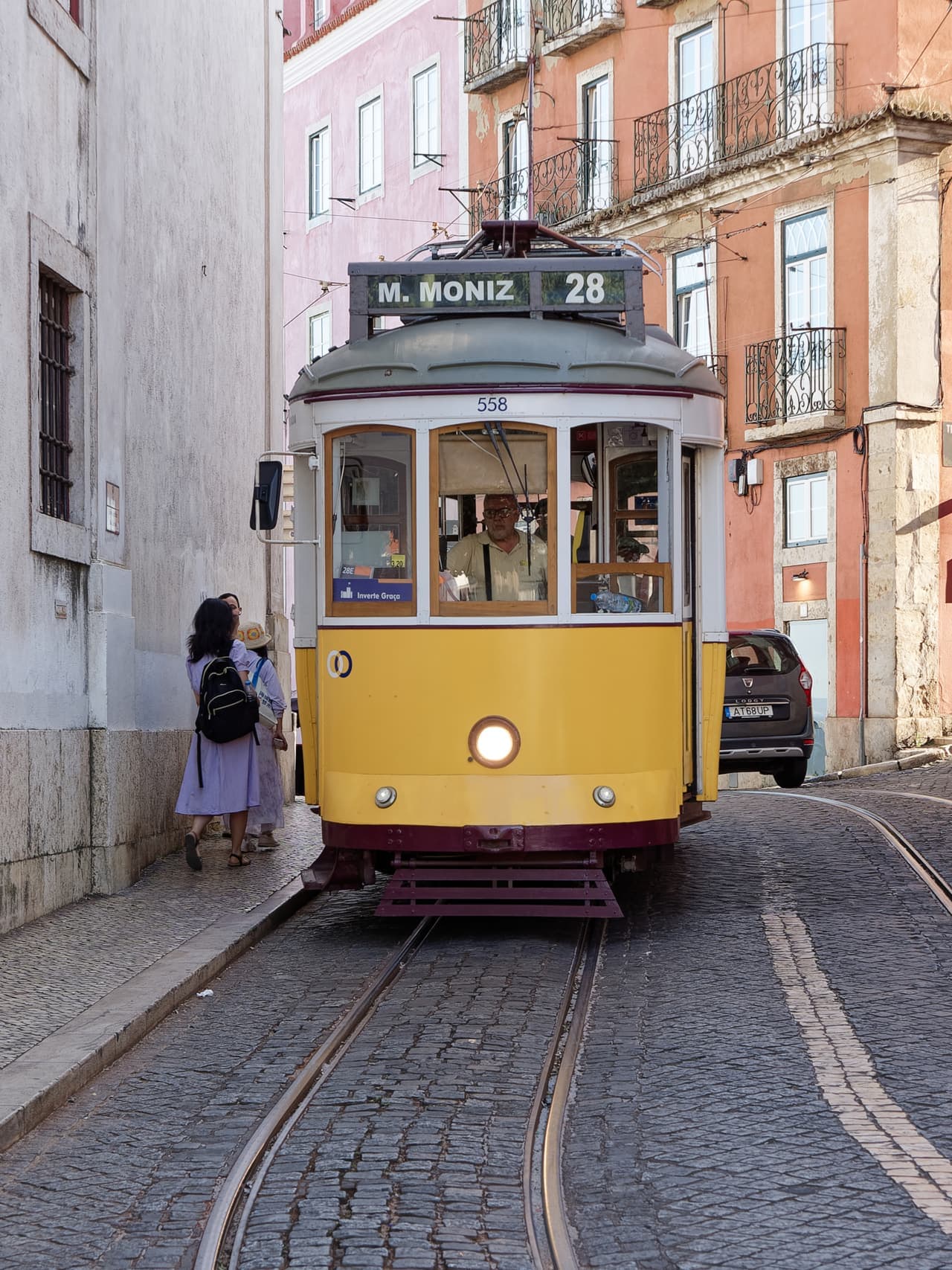
A real tram route that became a tourist attraction, with all the problems that implies.
Trips · Walk
The one part of Lisbon that survived the 1755 earthquake, best navigated badly.
New places go to the newsletter before they go anywhere else.